By The Claimsettlers Team | November 6, 2025
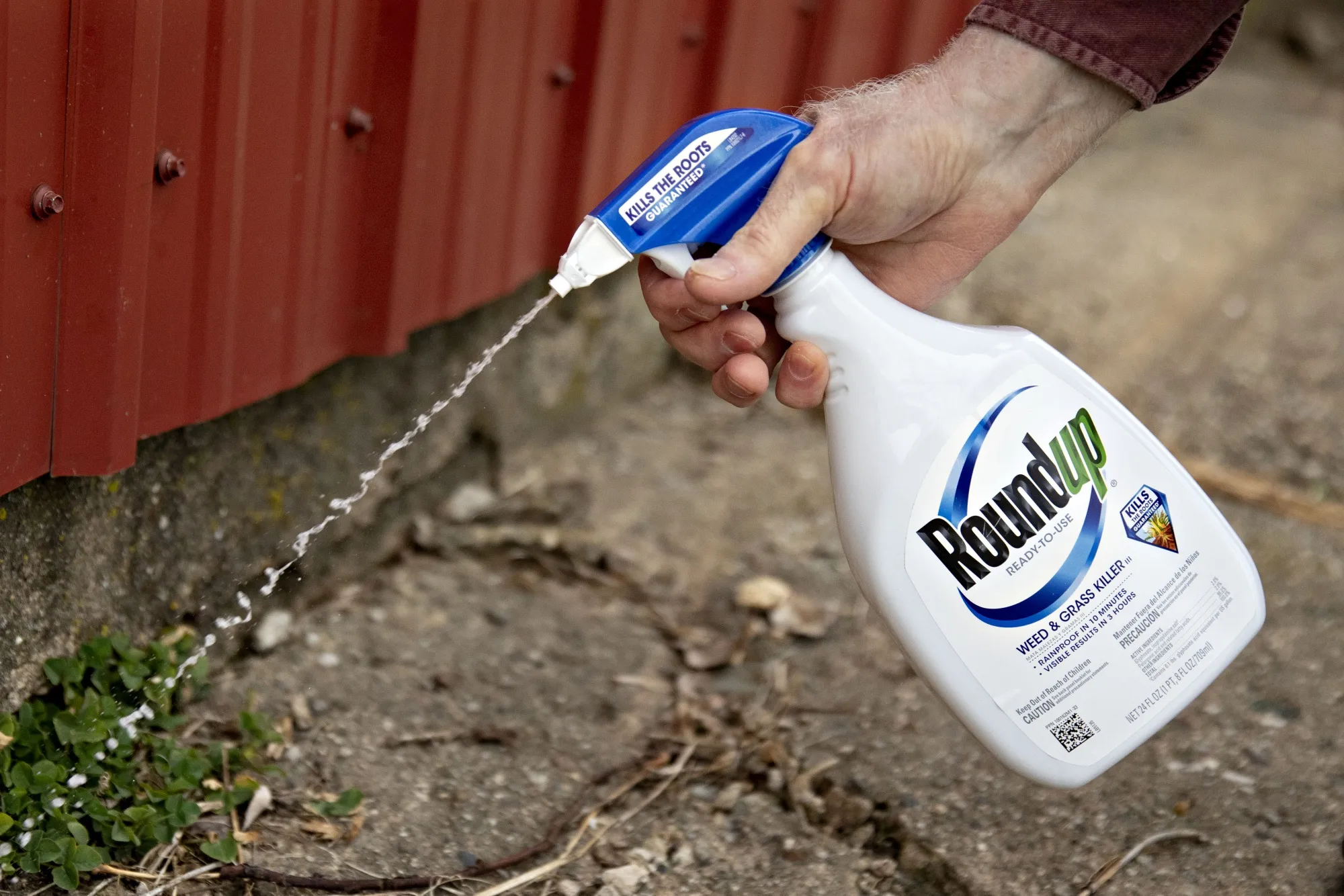
If you’ve ever reached for a bottle of Roundup to tame your garden weeds, you might not have realized it could be the start of a lifelong health battle. Glyphosate, the active ingredient in Bayer’s (formerly Monsanto’s) popular herbicide, has been at the center of one of the largest product liability tort battles in history. Thousands of gardeners, farmers, and landscapers have developed non-Hodgkin’s lymphoma and other cancers, alleging that Bayer knew about the risks but failed to warn consumers. As of November 2025, this mass tort litigation continues to evolve, with settlements pouring in and new claims stacking up. At The Claimsettlers, we’re here to break it down: from the science behind the claims to how you can pursue compensation today.
The Roundup Cancer Connection: A Quick Background
Roundup hit the market in 1974 as a “safe” weed killer, but by the 1990s, studies began linking glyphosate to cancer. The World Health Organization’s International Agency for Research on Cancer (IARC) classified it as “probably carcinogenic” in 2015, sparking a flood of lawsuits. Plaintiffs argue this falls under strict liability torts—manufacturers are responsible for defective products regardless of intent.
Key elements of a Roundup claim:
- Exposure: Regular use over at least a year.
- Diagnosis: Non-Hodgkin’s lymphoma or similar cancers.
- Causation: Medical evidence tying the disease to glyphosate.
Early trials were brutal for Bayer. In 2018, a San Francisco jury awarded $289 million (later reduced) to groundskeeper Dewayne Johnson, setting a precedent. Fast-forward to 2025, and the landscape has shifted dramatically toward settlements.
November 2025 Update: Where Settlements Stand
Bayer’s settlement strategy has been aggressive. As of May 2025, the company resolved nearly 100,000 claims for about $11 billion, covering past and future victims. This includes a $10.9 billion global fund, with $2 billion earmarked for ongoing claims. Of the original 177,000 claims, around 114,000 are settled or ineligible, leaving a core of active cases.
Recent highlights:
- September 2025: Pending lawsuits surged to 4,464 in the national MDL (multidistrict litigation).
- June 2025: A Missouri court upheld a $611 million verdict for three plaintiffs, reinforcing punitive damages for willful misconduct.
Average payouts? Settled claims range from $5,000 for minimal exposure to $250,000+ for severe cases with lost wages and medical bills. Future claimants might see lower amounts as the fund depletes, but bellwether trials could push for more.
Who Qualifies and What Damages Can You Expect?
Not every user is eligible—focus on those with documented exposure and a qualifying diagnosis. Compensation covers:
- Economic Damages: Medical expenses, lost income.
- Non-Economic: Pain and suffering.
- Punitive: To punish Bayer’s alleged cover-ups.
Proving your case requires medical records, work history, and expert testimony. Statute of limitations varies by state (typically 2-3 years from diagnosis), so act fast.
Navigating Settlements: The Claimsettlers Guide
At The Claimsettlers, we’ve helped dozens secure Roundup payouts without the courtroom grind. Here’s our step-by-step:
- Gather Evidence: Photos of Roundup use, doctor’s notes.
- File a Claim: Join the MDL or state court; no upfront fees with contingency firms.
- Negotiate: Bayer’s program offers quick resolutions, but we push for maximum value.
- Avoid Pitfalls: Watch for “opt-out” deadlines—missing them locks you into lower group settlements.
Pro Tip: If you’re a farmer or professional user, highlight commercial exposure for higher awards.
Why Now? The Clock Is Ticking
With funds allocating rapidly, 2025 is prime time for Roundup claims. Bayer’s still fighting in courts, but settlements are the norm—over 90% resolve pre-trial. Don’t let corporate delays rob you of justice.
Ready to settle your Roundup claim? Contact The Claimsettlers for a free case review. Our experts specialize in mass torts, ensuring you get every dollar owed. Call 1-800-CLAIM-NOW or visit our site today. Your story matters—let’s make it count.
Disclaimer: This is general information; consult a professional for personalized advice.
About the Author